Webb County Property Search
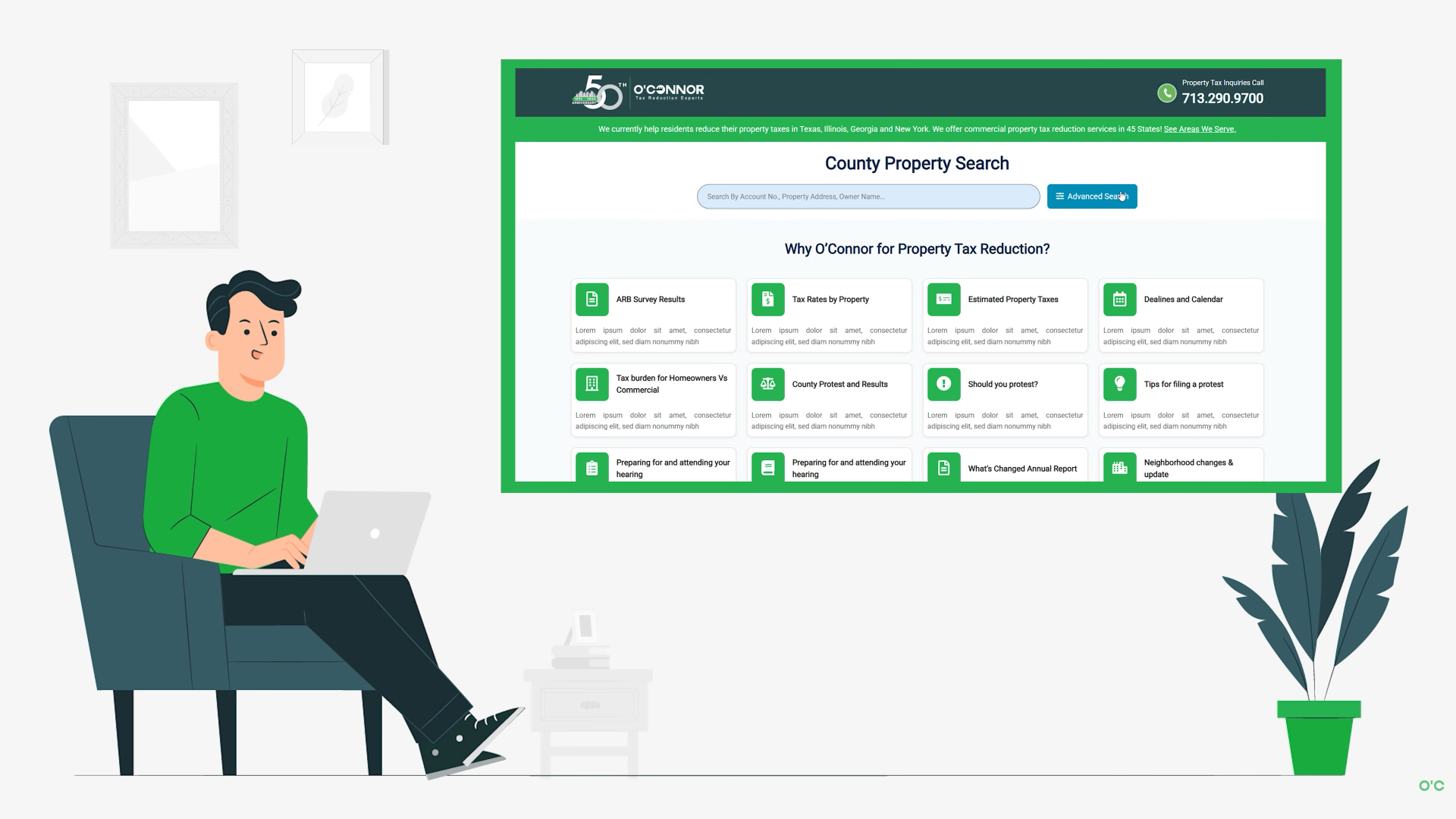
Webb County Property Search
One of the nation’s largest international trade hubs, Laredo and the rest of Webb County are the unsung heroes of Texas’ booming economy. Like other border counties such as El Paso and Hidalgo, Webb’s growing population is fueled by first-generation Americans and immigrants. As a trade center, demand for businesses and housing has soared in the past decade, with property values doubling. For this working-class community, rising costs make buying or keeping a home challenging. Property tax appeals and exemptions are the main ways to lower values. This database compiles information from many sources to keep taxpayers informed and provide protest tools.
Webb County Property Record Search
When it comes to knowing the complete picture of a property, it takes more information than just that provided by the Webb County Appraisal District (WCAD). Taxpayers also need to know about tax rates, exemptions, and the various types of property values. This database unites the information provided by WCAD with that from the Webb County Tax Office, the tax collector-assessor, and dozens of taxing bodies.
Information included in this database:
- Deed records and descriptions
- Parcel PINs
- History of value
- Complete log of ownership
- The three primary property values
- Exemptions
- Full history of assessment
Webb County Property Values
Property values are vital to the construction of tax bills, as they act as the basis on which everything else is applied. There are three types of property values, all of which are important. The first is the market value, which is WCAD’s estimate of how much a property could be sold for on the open market. Second is the appraised value, which takes the market value and applies caps, laws, and other statutes that bring it into compliance with the state. The final number is the taxable value, which applies exemptions and other reductions to the appraised value.
Webb County Property Details
There are many important details that a taxpayer should know beyond just their property values. Thanks to their relation to the volatile real estate market, property values can be quite different between years. Tax rates also change yearly, as various taxing bodies have annual budgets that need to be met. This is why every taxpayer should stay up-to-date with their appraisal.
Official Webb County Appraisal Data
The notice of appraisal is one of the most important documents a taxpayer receives, even though it is often ignored. It includes valuable information that needs to be double-checked at least once a year. Information includes the owner’s name, exemptions, square footage, classification, improvements, and more. All of these basic pieces of information should be verified before the property tax appeal deadline.
Comparing Appraisals and Properties
Under the Texas Constitution, every property with similar characteristics must be appraised the same as long as they are in the same location. Often, errors can allow for a significant difference between two properties. This is a strong ground for a property tax protest and can be proven by collecting multiple appraisals. Comparing properties can also help homebuyers determine if they are paying the correct price for a piece of real estate.
Important Deadlines
The entire property tax system of Texas hinges on deadlines. Some deadlines carry the penalty of completely forfeiting a right if they are missed, such as property tax protests. Others, such as paying taxes late, incur late fees, interest, and penalties. Part of being a responsible taxpayer is keeping up with each of these deadlines.
When is a Property Tax Protest Needed?
When paired with exemptions, property tax appeals can save taxpayers a great deal of money and lower taxable values. Knowing when to deploy one is key when it comes to owning real estate in Texas. After they review their appraisal, a taxpayer might notice there are factual errors, such as missing exemptions, the wrong owner listed, or the square footage is incorrect. In other cases, the appraisal is either unequal to neighboring properties or is appraised higher than the real market value of the real estate. In any of these cases, an appeal should be used to correct the issues.
Common Real Estate Mistakes
Thanks to some of the highest property taxes in the nation, owning real estate in Texas can be a tricky proposition. This can be complicated by mistakes that can be easily avoided. Often this is due to deadlines that many taxpayers do not even know exist, such as the property protest deadline in May. Other issues are caused by taxpayers not reviewing their appraisals, which allows for issues to go unnoticed, often for years.
Knowing Terminology
One of the goals of this database is to make terminology simpler for the average taxpayer. Often, a good deal of information is hidden behind walls of poorly explained terms or rules, which inevitably leads to higher costs for the taxpayer. By clarifying these terms, this database opens the door to possible property tax reductions and helps democratize the process as a whole.
O’Connor Helps Taxpayers
We at O’Connor created this database to help people from all walks of life when it comes to understanding taxes. We are big believers in unfettered access to free and correct information, and this database is the first step to help taxpayers on their journey. If taxpayers are looking for help with exemptions, appeals, cost segregation, or more, we at O’Connor are here to offer our support. There is no cost to sign up, and every person who does so will get a client success consultant. The consultant will act as an advocate, guide, and point of contact for our clients, ensuring they have the same person responsible for their questions and updates. If we file appeals and carry out hearings for clients, they will only need to pay a portion of their savings if we can lower their taxes.
Why O’Connor for Property Tax Services?
O’Connor specializes in the review of property tax and appraisal records. We work with publicly available county property valuation and tax records. This includes analysis of assessed values, appraisal records, and tax-related information. Experience across jurisdictions supports consistent interpretation of county property tax systems. Services are provided to support understanding of property tax assessments and records.