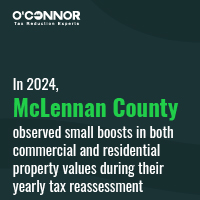
McLennan County Property Search
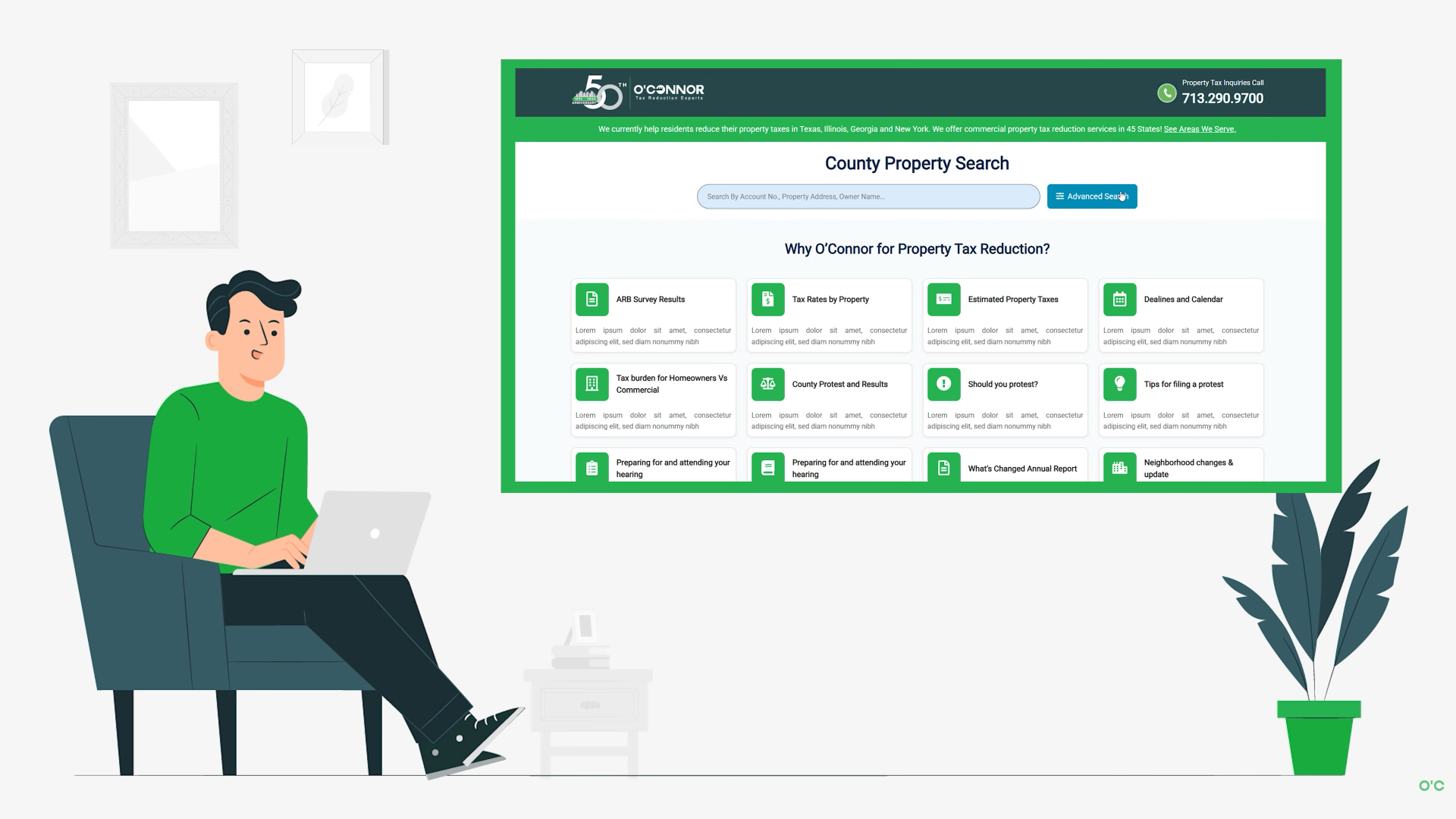
McLennan County Property Search
With Waco at its heart, McLennan County acts as a vital lifeline for countless rural areas. As the region’s urban center with important infrastructure, such as hospitals, McLennan County and Waco are some of the most underrated places in Texas. Like much of the state, McLennan County has seen its property values double in the past decade, with property taxes surging to match. This database was created to educate Waco-area residents about their properties. With this knowledge, the people of McLennan County will be ready to fight to lower their property taxes with appeals, exemptions, and more.
McLennan County Property Records
While the McLennan Central Appraisal District (MCAD) maintains a large amount of vital property data, there is plenty more that can be found from various other sources. These include the McLennan Tax Office and various taxing bodies, such as school districts, MUDs, and more. This database was created to gather all of this data together and put it in a single searchable location.
Data Includes:
- Deed records
- Assessment history
- Parcel PIN
- History of ownership
- Market, appraised, and taxable value
- Exemptions
- History of valuation
McLennan County Property Values
Property values come in three categories, each important to understanding the true worth of a piece of real estate. Market value is what MCAD believes a home or business would sell for on the open market. Appraised value restricts the market value with things like the homestead cap and other laws that prevent it from growing as fast. Finally, there is the taxable value, which takes the appraised value and shrinks it with exemptions and other factors. Once refined into the taxable value, a property is ready to have tax rates applied.
Search McLennan County Property Tax Details
Values are only a part of the data needed to understand a piece of real estate. Tax rates are also one of the top factors when it comes to calculating property taxes, yet they are often misunderstood. There are several tax rates in every county and city, decided by bodies such as MUDs, school districts, colleges, and emergency services. Understanding this litany of rates is vital to comprehending total taxation.
Official McLennan County Appraisal Data
There are many other factors that determine the worth and taxation associated with a property. This includes ownership, improvements, exemptions, square footage, classification, and more. These details need to be checked once a year, as clerical errors can easily be made, leading to costly tax errors. One of the primary reasons for property tax appeals is to fix flagrant errors in appraisals.
Comparing Appraisal Data and Real Estate Values
The best way to understand a property is to compare it to similar ones. Under the Texas Constitution, each property with similar characteristics in a location must be appraised the same. If one property is appraised for more than similar properties, then it is open for a protest using the grounds of unequal appraisal. Comparing homes or businesses can also reveal cases of overappraisal, which need to be addressed with an appeal as well.
Important Deadlines
One of the most important factors taxpayers need to keep track of is deadlines. In the best of times, such as missing a property tax payment, passed deadlines only result in higher costs, fines, or penalties. In other circumstances, such as appeals, a taxpayer will forfeit an option for an entire year. Missing deadlines is often one of the most common unforced errors property owners make.
When is a Property Tax Protest Warranted?
A property tax protest cannot be filed simply because the property owner feels their taxes are too high. There needs to be grounds for an appeal, which include unequal appraisal and overappraisal. If the value of a home or business rises rapidly compared to the previous year, then that is a strong indication that a protest should be filed. Also, any errors in an appraisal should be appealed, including an incorrect owner’s name, missing exemptions, or incorrect square footage.
Common Mistakes
There are several simple errors that can have devastating consequences for taxpayers. Often this is due to missing deadlines, but there are other errors. One of the most common is ignoring the notice of appraised value. This contains both property values and details that need to be checked for errors once a year. Often, a taxpayer does not realize there is a problem until it is too late.
Mastering Terminology
Property taxes in Texas are of dire importance, but they are often obscured by complex terminology. In order to make this easier for the average person to understand, this database focuses on using simple terminology, cutting straight to the point. This helps protect taxpayers and also acts as a way to dispel certain myths. By making this information available to all, the people of McLennan County can better secure their own financial futures.
O’Connor Offers All-Encompassing Support
It can be difficult to achieve lower property taxes by yourself. We at O’Connor created this database to give the public better records to use, clearing the way for the people to make their own decisions. If a taxpayer wishes to appeal their taxes, explore exemptions, or pursue cost segregation, we are here to help. For over 50 years, we have been assisting Texans in their quest for fair tax reduction. We offer premium service for all of our clients, and we will be aggressive in getting results.
Why O’Connor for Property Tax Services?
O’Connor specializes in the review of property tax and appraisal records. We work with publicly available county property valuation and tax records. This includes analysis of assessed values, appraisal records, and tax-related information. Experience across jurisdictions supports consistent interpretation of county property tax systems. Services are provided to support understanding of property tax assessments and records.