Denton County Property Search
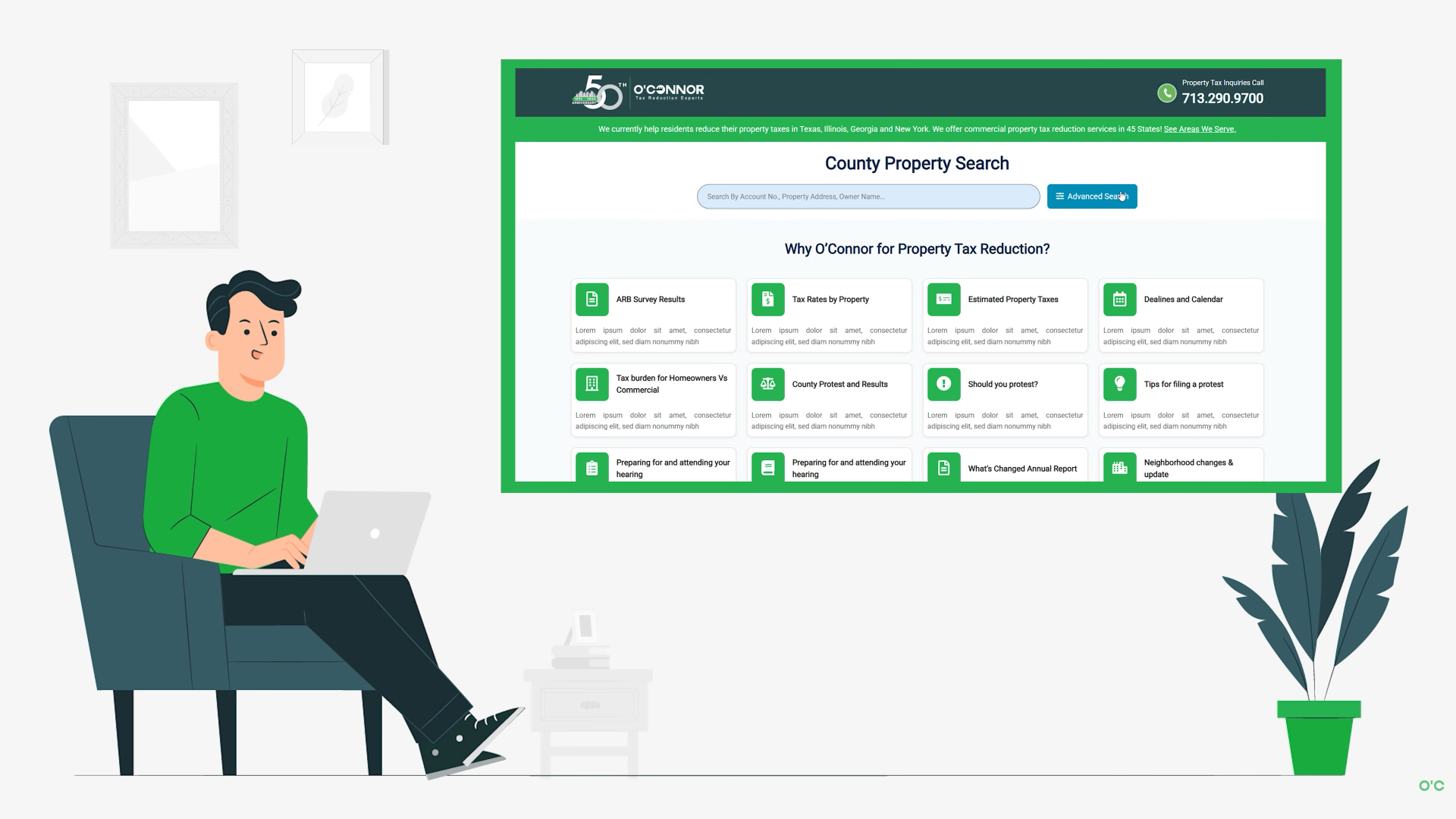
Denton County Property Search
While Dallas and Tarrant counties are known as the two pillars of the DFW metroplex, Denton County is quickly becoming one of the most popular and influential suburbs in America. Along with Collin, Denton County is seeing a massive influx of people and businesses, and the DFW area continues to grow. This growth is fueling increasing property values, which translates into quickly rising taxes, though taxpayers can fight back with exemptions and property tax appeals. Knowing what to do requires solid information, which is why we at O’Connor created this database. Gathering information from multiple agencies, this database offers much more comprehensive coverage than the Denton Central Appraisal District (DCAD).
Denton County Property Records Search
Generally, when a taxpayer carries out a Denton County property record search, they can find it hard to gather all of the needed information. These key pieces of data are often distributed among numerous agencies and websites, making it difficult to put together the whole picture. The goal of this site is to offer taxpayers a chance to find all vital information under one roof, condensing multiple property searches into just one. There are many types of records available to meet any resident’s needs.
Available records include:
- Current and historical ownership records
- Catalog of deed records and official descriptions
- Property values, including market, appraised, and taxable values
- Exemptions
- Assessment history
- A comprehensive history of valuation
- Parcel identification numbers
Denton County Property Values
Property values are the basis for taxes, as they serve as the basis on which tax rates are applied. However, Texas has three types of property value that must be understood to put everything in context. Market value is what a piece of real estate would get if sold on the market as of January 1 of the tax year. Appraised value is a property’s worth constrained by laws, regulations, and value increase caps. Taxable value is the appraised figure minus any exemptions or reductions. This is the value that is multiplied by tax rates to generate tax bills.
Denton County Tax Details
Contrary to popular belief, DCAD and other appraisal districts do not create tax rates or bills. Instead, dozens of government entities each create their own tax rates based on their annual budgets. These rates are then applied to the values created by DCAD, which are responsible for the components of tax bills. These government bodies include school districts, Municipal Utility Districts (MUDs), hospital districts, and the county itself. As Texas has no income tax, real estate acts as the primary revenue stream.
Official Appraisal Data for Denton County
Countless data streams come together to form appraisal information across Texas. Property values, tax rates, exemptions, and appraisal caps all control the financial aspects, while ownership information, size, classification, and historical data provide tangible statistics. All of these are valuable for understanding the true worth of real estate across Denton County and the general real estate market in the area.
Comparing Property Appraisals and Values
It can be difficult for a taxpayer to figure out if they are being overassessed by DCAD or not. The best way to discover the truth is by comparing the appraisal of neighboring and similar real estate. Texas law requires fair and equal appraisal, which means that properties with the same age range, size, and location should be assessed as closely as possible. Discrepancies in these values are key evidence for successful property tax appeals.
Denton County Important Property Deadlines
Keeping track of deadlines is vital for any business or homeowner in Denton County or Texas in general. While property taxes being due on January 31 is well known, there are many other cutoff dates that go by completely unnoticed by many residents. These include deadlines for property tax appeals, exemptions, business personal property renditions, and the release of certain information. While taxes can be paid late, though with penalties and interest, other deadlines are hard and fast.
Should a Property Tax Protest be Filed?
Due to high demand, Denton County real estate is some of the hottest in Texas, which means taxes follow suit. Consequently, homeowners and businesses often turn to appeals to help lower the taxable value. It can be difficult to determine if this step is necessary, but the information needed is usually on the notice of appraisal, which is mailed in late March or early April. A taxpayer must check this notice or property records to see if any errors were made. These include incorrect ownership, square footage, classification, exemptions, or taxing district. Large value spikes or appraisals unequal to similar properties are also grounds for appeal.
Common Mistakes with Property Taxes and Values
There are many pitfalls that residents must be vigilant about, as they can result in significant loss of money. Missing deadlines is the most common mistake made, but there are others that contribute as well. Many residents do not keep up with their appraisal information, which can allow errors like incorrect valuation or missing exemptions to take their toll. Not preparing adequately for a property tax appeal can be costly as well.
Making Data and Terminology Easier for Taxpayers
Real estate and taxes both use a lot of jargon and minutiae that can be difficult for the layperson to penetrate. One of the goals of this database is to make navigating these terms easier, opening up tax reduction to people who might otherwise be disengaged. As covered earlier, the largest blind spot for most taxpayers is the difference between value types. Market value is what real estate would be worth on the open market, while appraised value is that sum, but controlled by laws and regulations, often making it smaller. Taxable value is the final type, which is the appraised worth minus exemptions and other reductions.
O’Connor Helps with Records, Information, and Appeals
With all of the information provided by this database, taxpayers and residents should be equipped to understand and fight their taxes. However, this can still be a difficult process, as evidence needs to be gathered, hearings attended, and paperwork filed. We at O’Connor are here to help, offering assistance in understanding taxes, appraisal analysis, and evidence gathering. In addition, we will also represent our clients in hearings, including those with DCAD and the appraisal review board (ARB). We have over 50 years of experience in fighting Texas taxes and have a branch office in Dallas to help the entire metroplex. All clients are given a client success consultant, who will walk them through the process and act as a personal representative. There is no charge to join O’Connor, and clients will only be charged if we can lower their taxes.
Why O’Connor for Property Tax Services?
O’Connor specializes in the review of property tax and appraisal records. We work with publicly available county property valuation and tax records. This includes analysis of assessed values, appraisal records, and tax-related information. Experience across jurisdictions supports consistent interpretation of county property tax systems. Services are provided to support understanding of property tax assessments and records.