Galveston County Property Search
Galveston County Property Search
Built around the titular island, Galveston County is not only a tourist destination but also has some of the most expensive and highly taxed property in the entirety of Texas. With locals, visitors, and short-term rentals competing for houses, the demand for Galveston real estate has never been higher. This database was created to keep taxpayers informed about all the data available for homes and businesses across the county. This data includes information from not only the Galveston Central Appraisal District (GCAD) but also from the tax office, taxing bodies, and other relevant sources.
Galveston County Property Tax Records
There is more to a tax bill than just the information that the Galveston Central Appraisal District provides. In addition to knowing property values and pedigree characteristics, exemptions, tax rates, and more are needed to understand the worth of a piece of real estate. All of this data is usually divided up between GCAD, the tax office, dozens of taxing bodies, and more.
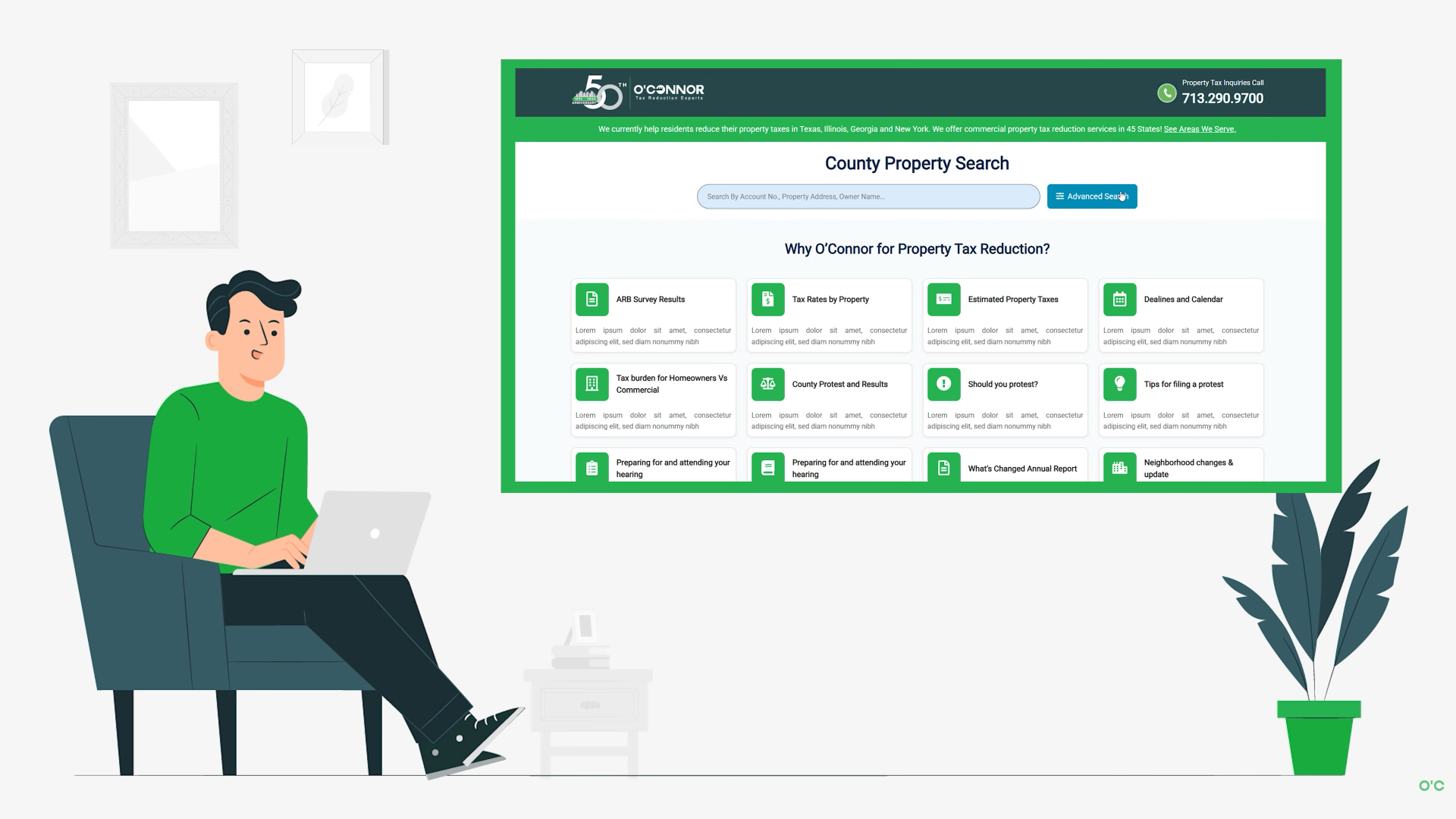
This database contains the following records:
- Complete ownership history
- Parcel PINs
- Deed records and legal description
- Market, appraised, and taxable value
- History of assessment
- Current and possible exemptions
- History of valuations
Galveston County Property Values
Texas uses three different types of property values. Market value is what a piece of real estate is estimated to sell for on January 1 of the tax year. Appraised value is the market value that has its growth restricted due to caps, laws, and regulations. Taxable value takes the appraised value and reduces it with exemptions, and is the amount to which tax rates are applied.
Galveston County Property Tax Details
While property values are a big part of the equation, so are tax rates. There are dozens of tax rates across the county, including those from school districts, MUDs, the county itself, colleges, emergency services, and hospital districts. Each of these depends on property taxes for funding and has an annual budget that must be met. This makes tax rates highly fluid and volatile from year to year.
Official Galveston County Appraisal Data
The data held by the Galveston County Appraisal District and other organizations, such as taxing bodies, enables a taxpayer to understand the full scope of their property’s worth. Some of the most important information is basic details about properties. This includes improvements, the square footage, classification, exemptions, and ownership. These should be examined regularly to see if any errors have been made, which can be costly if not caught.
Appraisal and Value Comparisons
Under the Texas Constitution, every property with similar attributes in the same location should be appraised evenly. Often, this is not the case, which can be used to appeal on the grounds of unequal appraisal. This is achieved by studying appraisals of several properties in an area and comparing them back to the taxpayer’s real estate. Comparisons can also help homebuyers and sellers, as they can establish a baseline price for a home in a given area.
The Importance of Deadlines
Due to their strict nature, it is important for every taxpayer to be aware of deadlines. When it comes to property taxes, there are many dates that need to be tracked. With many deadlines, missing them leads to forfeiting the corresponding action for that year, such as property tax appeals. With others, missing a cutoff date leads to increased costs, fines, penalties, and interest. For instance, late payment of property taxes leads to instant penalties, even one minute after midnight on the last day.
When a Property Tax Appeal is Needed
Just as important as exemptions when it comes to lowering taxable value, property tax appeals are becoming vital in many high-dollar counties, including Galveston. Knowing when to pull the trigger on an appeal can be difficult. First, the notice of appraised value must be reviewed, with an eye for errors such as square footage, exemptions, classification, or ownership. Next, values should be examined to see if they are fair or if there was a large increase between years.
Property Owner Mistakes
No one is perfect, and mistakes can happen. When it comes to owning a property, there are many costly mistakes, most of which can be avoided. Few taxpayers review their notice of appraised value, which contains vital information that needs to be confirmed every year. Missing deadlines leads to many consequences, including fines or losing certain rights. By minimizing or eliminating mistakes, taxpayers can secure a better financial footing.
Clarifying Terminology
One of the main obstacles between taxpayers and understanding their property is terminology. This is rarely made clear by GCAD, the tax offices, or other organizations. The differences between various property values are rarely explained, and how tax rates work is often obscure to most Texans. The goal of this database is to make information available and digestible for every taxpayer in Texas.
O’Connor Others Premium Service for Property Taxes, Appeals, and More
With all of the information from this database, a taxpayer should be properly armed to understand, analyze, and appeal their property values and taxes. Once they are ready to take the next step, O’Connor is here to help. We offer a full-service solution to property issues. Every taxpayer who joins is given a client success consultant who will be their advocate, point of contact, and advisor. In many cases, a concierge team member can be sent to a home or business as well, where we can provide support in person. Based in Houston and with over 50 years of experience, we are accustomed to taking on GCAD and other appraisal districts to get our clients the best deals possible.
Why O’Connor for Property Tax Services?
O’Connor specializes in the review of property tax and appraisal records. We work with publicly available county property valuation and tax records. This includes analysis of assessed values, appraisal records, and tax-related information. Experience across jurisdictions supports consistent interpretation of county property tax systems. Services are provided to support understanding of property tax assessments and records.