Taylor County Property Search
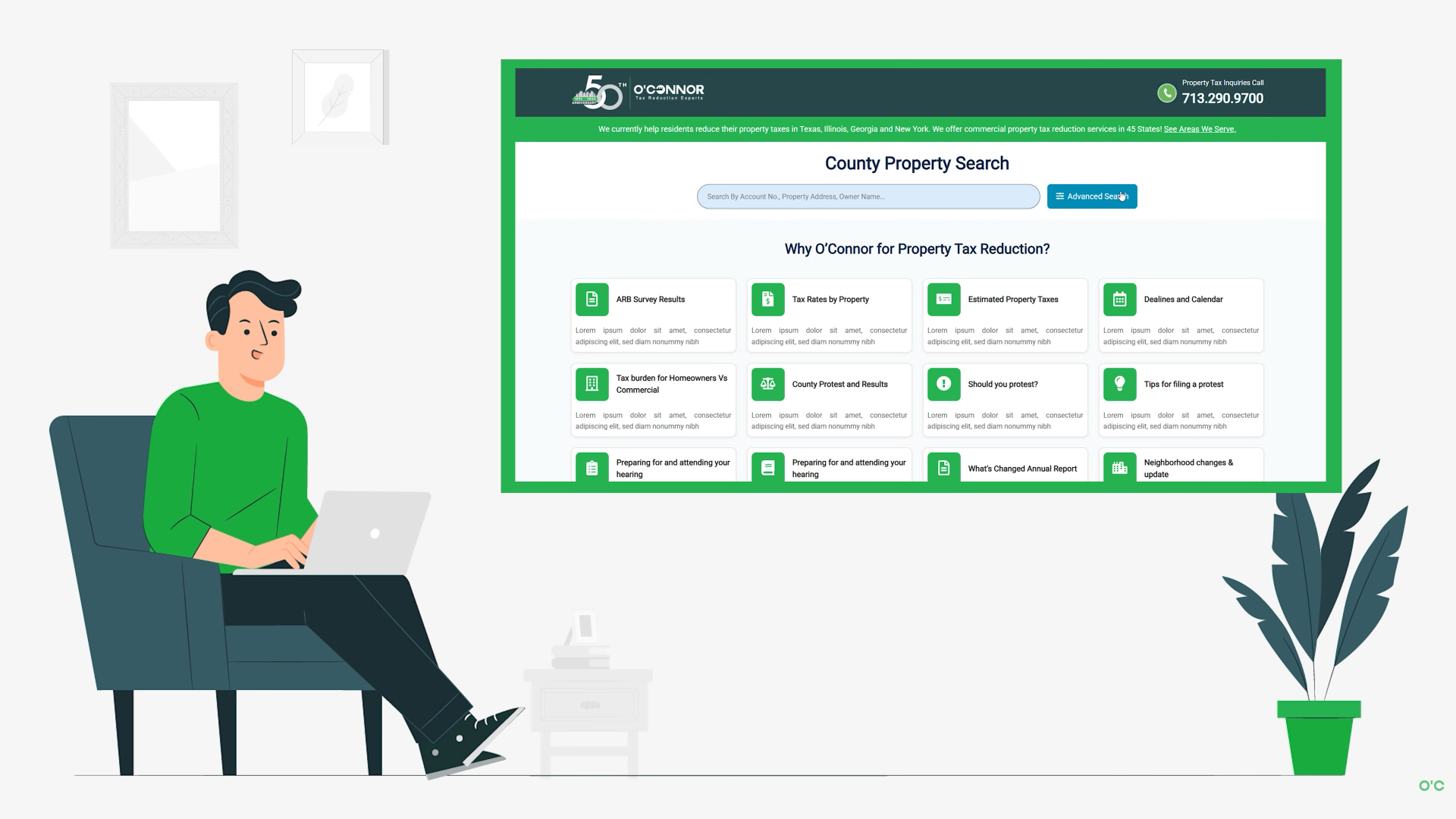
Taylor County Property Search
Home to Abilene and tons of Texas history, Taylor County is one of the unsung heroes of the state. With an economy that is growing by the day and a booming population, Taylor County is set for great things in the near future. This potential has made property across the county increasingly popular, and real estate values have been soaring, doubling in the past decade. This database was created to keep taxpayers informed about their property, their rights, and how they can manage taxes.
Search Taylor County Property and Tax Records
The data needed to understand property taxes and values comes from many sources. While most think of the Taylor Central Appraisal District (Taylor CAD), there are many other organizations that hold valuable information. This includes the tax office, the assessor-collector, and various taxing bodies. This database acts as a one-stop source for all of this information and provides a searchable format that cannot be found anywhere else.
Information included in this database:
- Parcel ID numbers
- History of ownership
- Deed records
- All property values
- Assessment history
- Exemptions
- Valuation breakdown and history
Taylor County Property Values
Because property taxes are often the largest expense homeowners face, property values have a huge influence on household budgets across the county. Taylor CAD initially establishes a market value, which is what a property is believed to sell for. This is then refined by caps and statutes into the appraised value. Finally, this is reduced by exemptions to produce the taxable value, which is what tax rates are applied to.
Search Taylor County Property Details
Tax rates are the next important factor when it comes to property tax bills. These are applied to the taxable value of every piece of real estate in the county. There are dozens of tax rates, each coming from various taxing bodies, such as MUDs, school districts, emergency service districts, and more.
Official Data for Taylor County
Appraisals and notices of appraisal contain important information that every homeowner and business should know. This data needs to be verified every year, as mistakes can cause a lasting impact on taxes. This includes the square footage, owner names, classification, improvements, and exemptions associated with a piece of real estate. If these are in error, they need to be corrected as soon as possible.
Comparing Properties and Values
Realtors, tax professionals, and homebuyers all use property comparisons to narrow down the true value of a home or business. This can be done to see if a property is being overappraised or appraised unequally with neighbors, which can then be used as grounds for a property tax appeal. Unfair appraisal can be determined by comparing appraisals between properties, while overassessment can be shown by comparing sales records.
Important Deadlines
The Texas property tax system is built around a slew of deadlines. Some, such as the property tax protest deadline, are hard, which means missing them causes the taxpayer to lose the opportunity entirely. Others, like paying taxes on time, result in penalties and interest, which can quickly add up. Missing deadlines is easily the biggest mistake that homeowners and businesses make.
When to File a Property Tax Appeal
The information on this database can be vital for launching a property tax appeal or protest, but these can only be used under certain conditions. Unequal appraisal, factual errors, and overappraisal are all issues that require an appeal. These must be filed before the deadline, though many factual errors can be fixed afterward with a correction of the appraisal roll. Value issues, however, must be appealed before the deadline.
Common Mistakes
Many taxpayers only think about their property taxes when property tax bills comes due, and often miss chances to lower their taxes. While missing deadlines is the most common and costliest mistake, there are plenty of others to be aware of. Not filing the homestead exemption for a home, not filing a business personal property (BPP) rendition for a business, and ignoring the notice of appraised value are all mistakes that should be avoided.
Key Terminology
The primary reason that this database was created was to keep the people of Taylor County informed about their homes, businesses, and other real estate. Terminology often acts as a gatekeeper to this knowledge, restricting who can engage with the system. By offering simple, clear definitions, this database grants a wider audience the chance to understand their properties and lower their taxes.
O’Connor Offers Support for All Taxpayers
This information allows taxpayers to know the true worth of their real estate and can give them the knowledge to launch appeals, file exemptions, or be prepared for next year’s tax bill. If a taxpayer wants help in lowering their taxes, then O’Connor can help. For over 50 years, O’Connor has aided the people of Texas in navigating property taxes and appeals. We have a branch office in Abilene and have the resources of a national company, giving us both local knowledge and national firepower.
Why O’Connor for Property Tax Services?
O’Connor specializes in the review of property tax and appraisal records. We work with publicly available county property valuation and tax records. This includes analysis of assessed values, appraisal records, and tax-related information. Experience across jurisdictions supports consistent interpretation of county property tax systems. Services are provided to support understanding of property tax assessments and records.