Cameron County Property Search
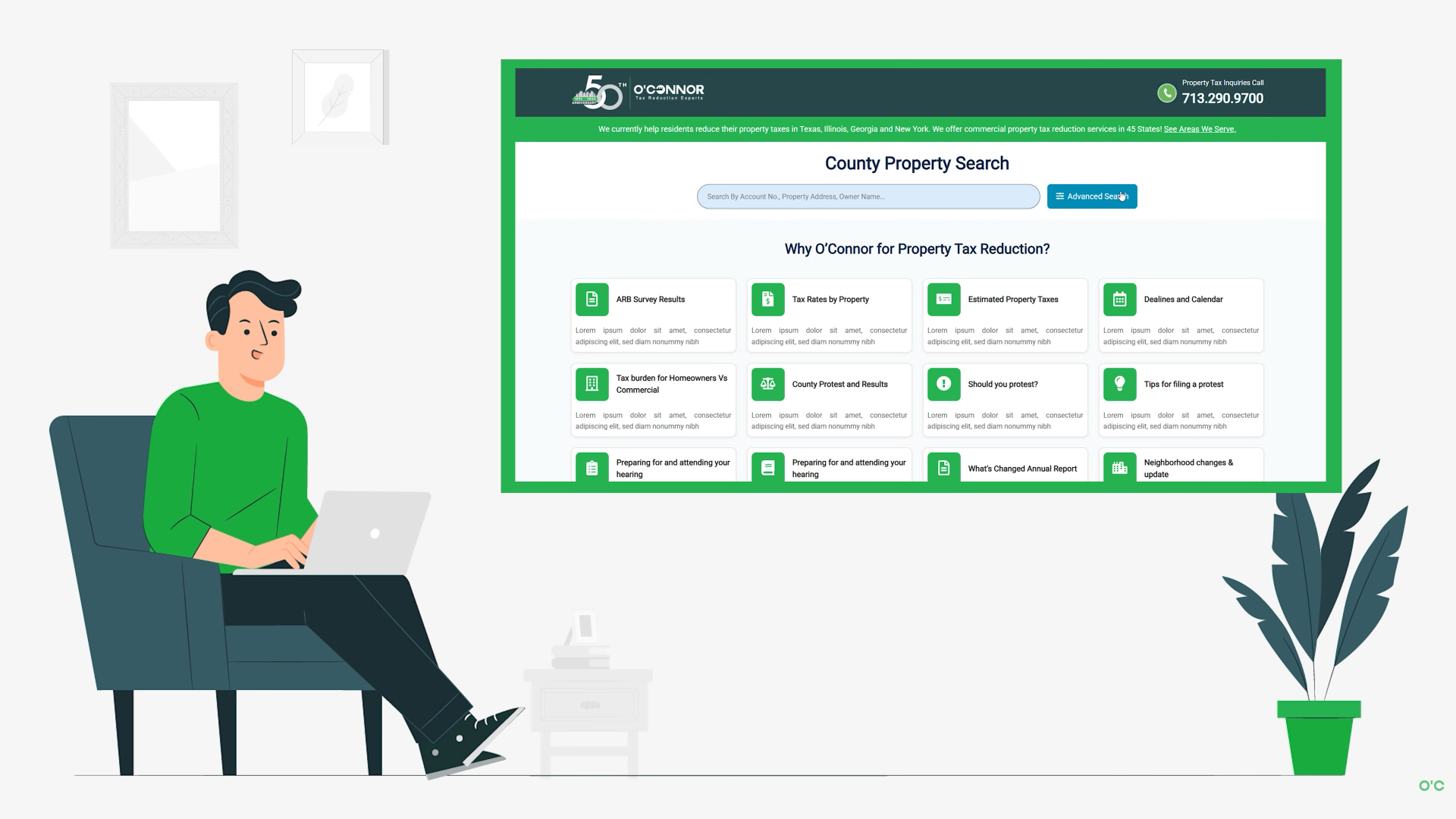
Cameron County Property Search
Home to Brownsville, SpaceX, and a rapidly growing economy, Cameron County has emerged as a Texas success story in recent years. This influx of people and capital has led to a significant increase in property values over the past decade, which has also resulted in higher taxes. The best way for taxpayers to protect their homes and businesses is to stay informed about changes in values, taxes, and the records of their own properties. We at O’Connor created this database to collect information from multiple sites and agencies, providing taxpayers in Cameron County with a one-stop source for property records and other key information.
Cameron County Property Records
While the focus is usually on the Cameron Appraisal District (Cameron CAD), many different organizations maintain property records. Typically, finding all of the information needed to understand a property’s value or taxes requires visiting many sites to get the full picture. The reason for this database is to consolidate all of this information under one umbrella, saving time and effort for busy taxpayers.
Information in this database includes:
- Parcel identification numbers
- History of ownership
- Legal descriptions and deed records
- All three types of property values
- Exemptions
- Assessment history
- Historical valuation data
Cameron County Property Values
Property values are the building block of taxes, as they serve as the base that is multiplied by tax rates. There are three types of values in Texas, which can often confuse taxpayers. First is market value, which is the estimated worth of a home or business on the open market by Cameron CAD. Next is appraised value, which takes the market value and limits it due to laws and caps. The third is the taxable value, which is when the appraised value is cut down by exemptions and other reductions. This final value is used to create tax bills.
Search Cameron County Property Details
Along with property values, tax rates are used to create tax bills. In Texas, dozens of taxing bodies and entities each set their own tax rate, which is applied to the taxable value to come up with the final amount a taxpayer owes. It is important to know the taxing entities (or taxing bodies) that apply to a piece of real estate, because, unlike values, they cannot be lowered by appeals or exemptions.
Official Cameron County Appraisal Data
Appraisal data is a goldmine of information. This includes vital Cameron County information such as deed records, ownership history, tax rates, property values, classification, and exemptions. Each of these pieces of data are helpful in understanding the true worth of a property, making them valuable for owners, buyers, and investors.
Comparing Values and Appraisals
One of the best ways to know if a piece of real estate is being overassessed is to compare it to other properties. Under the Texas Constitution, properties with similar attributes in the same area should be appraised as closely as possible. Major differences between two similar homes or businesses are typically grounds for an appeal. Comparing home values is also a good way to zero in on a price when buying or selling a home.
Important Deadlines in Cameron County
Cameron, like all Texas counties, is managed closely by deadlines. From paying taxes to appealing, everything runs on a strict timetable. Missing a deadline for exemptions or appeals means losing out on a chance to use them for another year. For issues like missed tax deadlines or business personal property renditions, this means penalties, interest, or fines. All taxpayers should be aware of key deadlines in the county.
When is a Property Tax Appeal Needed?
The only way to lower a tax bill outside of exemptions in Texas is to use an appeal. These allow a taxpayer to challenge the values assessed by Cameron CAD or to fix errors, such as incorrect ownership or missing exemptions. Property records should be reviewed often, and the notice of appraised value needs to be reviewed carefully when received in March or April. Incorrect information, large value spikes between years, and unequal appraisal with neighbors are all reasons to appeal.
Common Real Estate Mistakes Owners Make
Owning a home or business is a tough responsibility, and it takes a lot of effort to ensure everything is taken care of. Despite this focus, many owners make simple mistakes that can cost a lot in the long run. One of the biggest is ignoring the notice of appraised value. This includes the current property values of the home or business, along with basic information like square footage or classification, which needs to be confirmed. Missing deadlines is also one of the biggest issues in Texas, with many taxpayers not even knowing that some exist.
Correct Terminology
One of the main obstacles in navigating property values and taxes is understanding dense terminology. This is often unclear or obtuse, causing taxpayers to misunderstand terms or overlook mistakes that they did not know about. Many taxpayers do not know the difference between the three property tax types, for instance. Also, many believe that the appraisal district sets or collects taxes, when this is the purview of taxing bodies and the tax office, respectively. This database helps clarify the central ideas of property records while using simple terminology.
O’Connor Helps Taxpayers with Information and Appeals
Armed with the clear and concise records from this database, taxpayers have the tools to know all of the details about their property or real estate. If this research unveils problems that need to be addressed, we at O’Connor are here to help. We will help file a homestead exemption for free if one is required. If a taxpayer wishes to file an appeal, we can assist with that as well, helping analyze appraisals, gather evidence, and represent our clients in every hearing. Anyone who signs up with us will get a client success consultant, who acts as the taxpayer’s guide and advocate, while staying a consistent point of contact. For many clients, we can also send out a personalized concierge visit to find issues with a home or business that could be important for a future appeal. There is no cost to join, and our clients only pay a portion of their winnings if we can lower their taxes.
Why O’Connor for Property Tax Services?
O’Connor specializes in the review of property tax and appraisal records. We work with publicly available county property valuation and tax records. This includes analysis of assessed values, appraisal records, and tax-related information. Experience across jurisdictions supports consistent interpretation of county property tax systems. Services are provided to support understanding of property tax assessments and records.