Guadalupe County Property Search
Guadalupe County Property Search
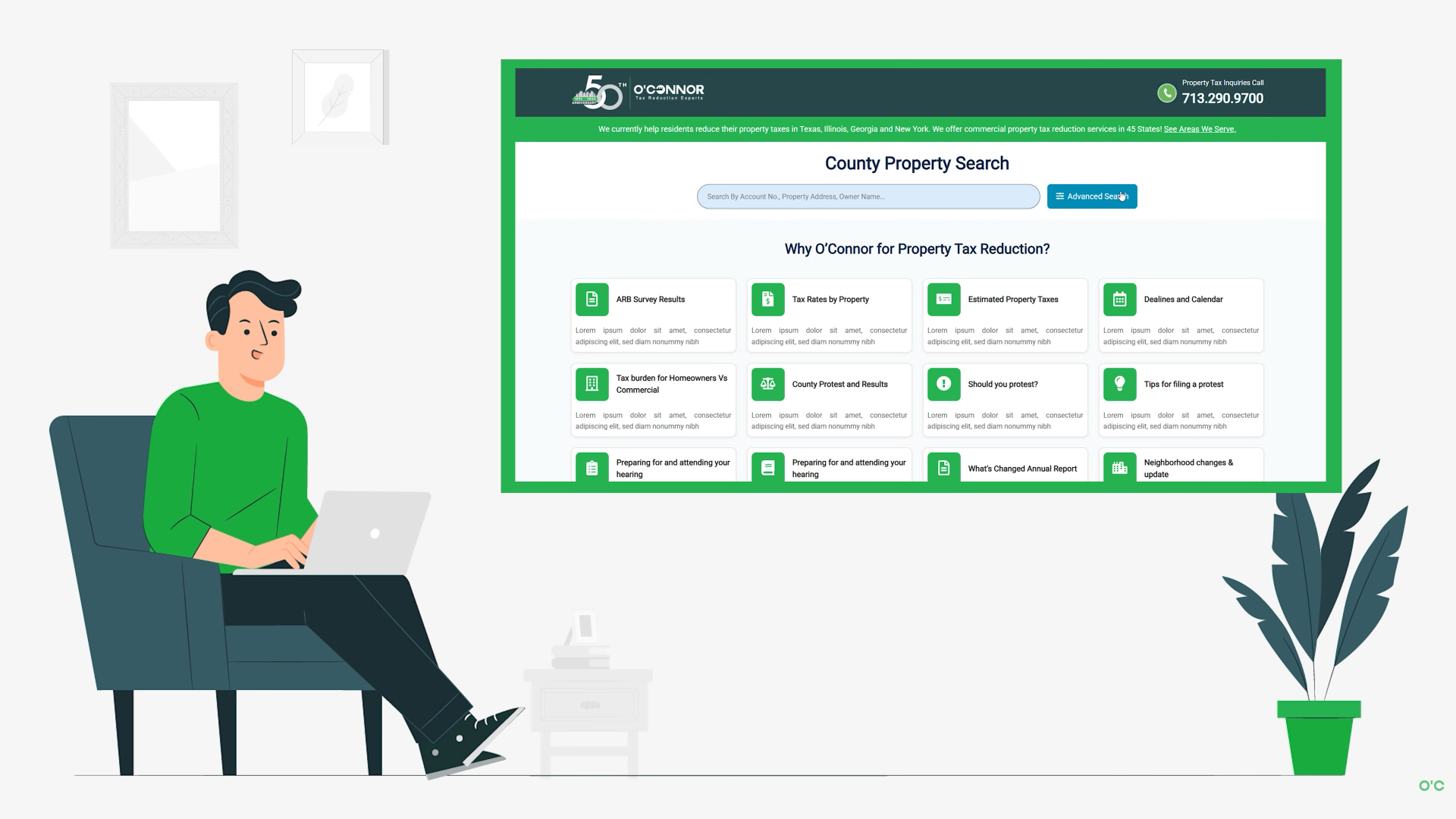
While they do have a wealth of information, there are more sources for understanding real estate and property taxes than just the Guadalupe Appraisal District (GCAD). The tax office, assessor-collector, and dozens of taxing bodies across Guadalupe County are each tasked with keeping certain records, such as tax rates, exemptions, and real estate values. This database was created to bundle all of this together, so that taxpayers have a resource they can always turn to.
Guadalupe County Property Records and Information
Centered on Seguin, Guadalupe is one of Texas’ most historic counties. As a suburb of Bexar County and San Antonio, Guadalupe County shares many of the same benefits as the iconic city, while still charting its own course. With the San Antonio and Austin areas flourishing, more people than ever are set to make their way to Guadalupe County. This means higher property values due to demand, and the county has already seen its values more than double in the past decade. Property tax protests are one way that taxpayers are fighting back, and along with exemptions, they are the only way to lower property values.
Records in this database include:
- Parcel PINs
- History of ownership
- Legal descriptions and deed records
- All types of property values
- Present exemptions
- Assessment history
- Value history
Guadalupe County Property Valuation
Real estate values are the basis for all property taxes in Texas. This makes the values one of the most important statistics in the state, something that every homeowner or business should know. After a home or business’ market value is trimmed and constrained by laws and caps, along with being reduced by exemptions, it is then multiplied by various tax rates to create a tax bill.
Guadalupe County Property Details
There are many property details that need to be focused on, as they play an important role in how properties are valued and taxed. Tax rates are one of the most vital, as they are applied to values in order to create tax bills. There is no one central tax rate in Guadalupe County; rather, there are many, each coming from a different taxing body.
Official Appraisal Data
The appraisal and the notice of appraisal are the most important records that most taxpayers have. These contain all of the basic data and information needed to understand a piece of real estate. This includes ownership, exemptions, square footage, classification, and improvements. These details should also be confirmed, just to make sure they are accurate. Small errors can have big impacts on taxes.
Property and Appraisal Comparisons
The most important tool when it comes to most tax protests is comparing properties. By comparing the owner’s property or appraisal to their neighbors’, the taxpayer can demonstrate if their property is being overassessed or if it is a victim of unequal appraisal. These records also have value for both realtors and homebuyers as they help give a general idea of what a fair value is in a given area.
Important Deadlines in Guadalupe County
The most important factor to keep track of for Texas properties is deadlines. In many cases, such as the appeal deadline, this means losing a certain right for an entire year. In others, such as the deadline for property taxes, this can mean penalties, interest, or fines that make paying the tax even harder. By staying on top of deadlines, taxpayers can preserve their financial health.
When Should an Appeal or Protest be Used?
There are certain errors or situations that require an appeal to be filed. First, if the notice of appraisal contains factual errors, such as ownership, missing exemptions, incorrect square footage, or the wrong classification, that should be protested. If the property value increased dramatically from the previous year, this could indicate overappraisal. Finally, if the taxpayer’s property is appraised higher than that of neighbors with similar characteristics, then that is grounds for an appeal.
Mistakes That Can Haunt Taxpayers
Property taxes are the largest expense most homeowners have each year, so it is extra discouraging when a simple mistake can make things more expensive. Most of these mistakes are easy to avoid, and sidestepping them can pay major dividends at tax time. Some of the worst mistakes include missing deadlines, ignoring appraisal notices, and paying taxes later than needed.
Accurate Terminology
One of the reasons that many taxpayers struggle with properties and their taxes is the labyrinth of terminology that stands between them and their end goal. Many concepts are not accurately communicated to taxpayers, either, such as where tax rates come from or what the three different property values mean. This database endeavors to make this process easier and clearer, so everyone has a chance at a fair tax reduction.
O’Connor is Here to Help all Aspects of the Property Tax Journey
For over 50 years, we at O’Connor have been helping clients take on their appraisal district’s values through appeals, exemptions, and even lawsuits. In addition to the information provided by this database, we gather evidence, file appeals, represent clients at hearings, give free assistance with exemptions, and offer business services like cost segregation and aid with BPP renditions. We also provide our clients with personal touches, like client success consultants and concierge visits.
Why O’Connor for Property Tax Services?
O’Connor specializes in the review of property tax and appraisal records. We work with publicly available county property valuation and tax records. This includes analysis of assessed values, appraisal records, and tax-related information. Experience across jurisdictions supports consistent interpretation of county property tax systems. Services are provided to support understanding of property tax assessments and records.