Parker County Property Search
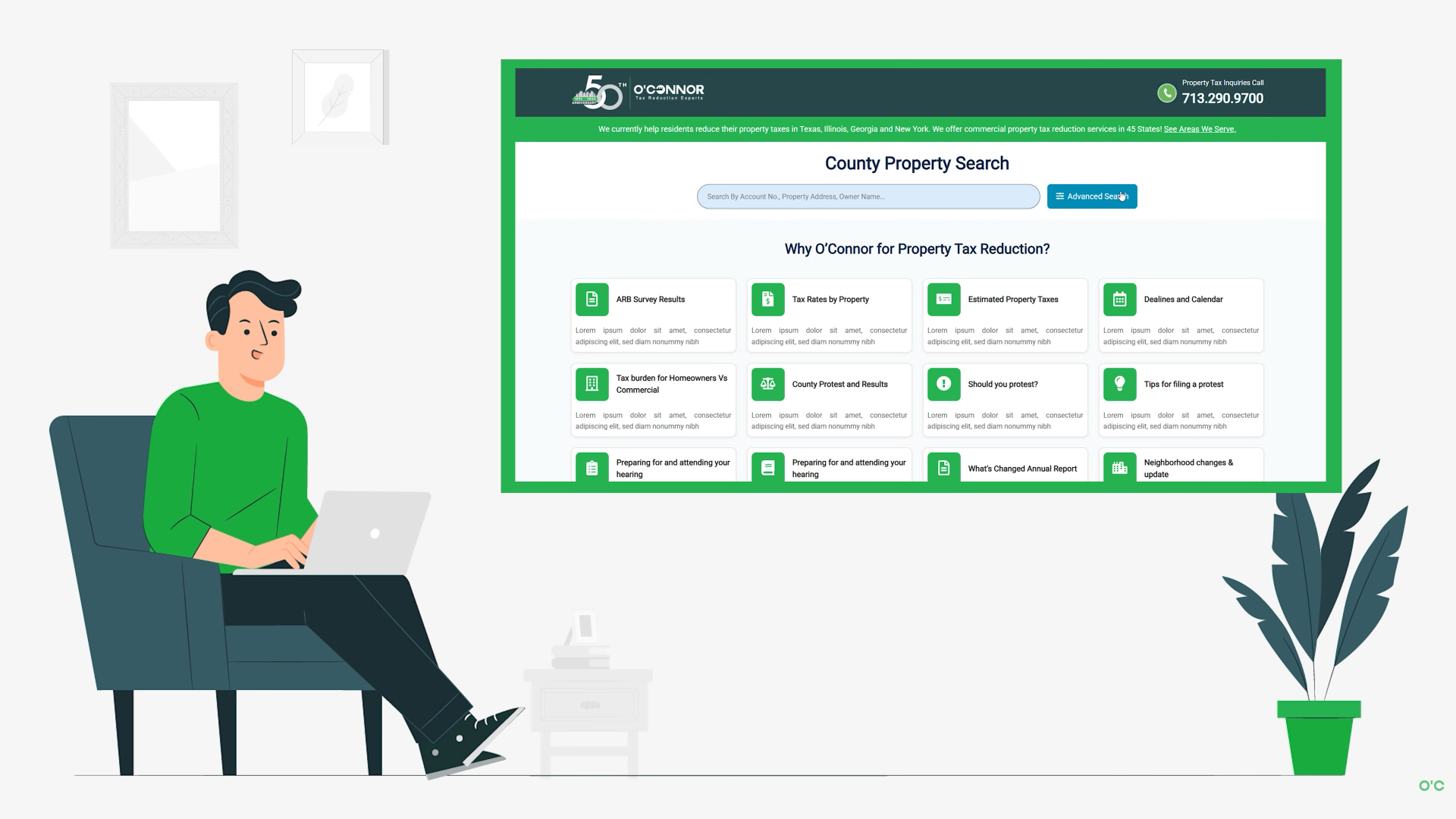
Parker County Property Search
Parker County is another fast-growing part of Texas and is yet another part of the burgeoning DFW metroplex. Closer to the Fort Worth side of things, Parker County does not have the trendy feel of Collin or Denton counties, but it has still seen the demand for homes and businesses skyrocket. It can be difficult to navigate the world of Texas property taxes, with so much data to sift through. This database was created to consolidate all important information into a single, simple source, making the process easier to understand for every taxpayer.
Parker County Property Record Search
The Parker County Appraisal District (Parker CAD) plays an invaluable role in the community, as the values they assess for homes and businesses become the basis for tax bills. While Parker CAD has a lot of useful information, other important streams of data also come from other sources across the county. This database catches each of these streams and redirects them into a single reservoir of tax and real estate knowledge.
Information included in this database:
- Deed records
- Parcel PINs
- Valuation history
- Full history of ownership
- Market, taxable, and appraised values
- Exemptions
- Assessment history
Parker County Property Values
Property taxes begin with real estate values, as they are used to set the base worth of a property before tax rates are applied. There are actually three major types of property value, each building off the previous one. Market value is first, and is what the appraisal district estimates a property would sell for on January 1 of the tax year. Appraised value is the market value that has been restricted by caps and laws. Taxable value is the appraised value that has been lowered thanks to exemptions. This final value is multiplied by tax rates to create the final bill.
Parker County Property Details
Tax rates, classification, and exemptions can have large impacts on property taxes, as can improvements, square footage, and the number of rooms. With the exception of tax rates, each of these details appears on notices of appraised value every year and should be verified as accurate by the property owner. Tax rates come from dozens of taxing bodies and fluctuate every year, making them an important x-factor when it comes to taxes.
Official Appraisal Data for Parker County
Notices of appraisal are mailed out in late March or early April each year, and should always be reviewed carefully by property owners. This contains the various property values, but details such as ownership classification, size, and improvements should be checked as well. Clerical errors can often happen, especially as most appraisal districts are overworked.
Comparing Property Appraisals and Values
When it comes to understanding the true worth of a piece of real estate, this can only be ascertained by comparing it to its peers. This is often done by looking at how a home or business is appraised compared to similar properties of the same age, size, and location. The Texas Constitution also guarantees that similar properties in a given location should be appraised the same, and inconsistencies should be corrected.
Important Deadlines in Parker County
Missing deadlines can cost property owners significantly. In the best-case scenario, this simply means paying penalties or interest. In other cases, this means losing an exemption or the opportunity to file a protest. Property taxes are due by January 31 every year, unless that happens to be a weekend. In that case, the deadline is extended to the next business day.
When to Protest Values and Taxes
Property owners have a limited time to protest in Texas, with May 15 being the usual deadline. This makes knowing when to protest vital to reducing taxes. First, the notice of appraised value should be reviewed. Any factual errors should be protested, such as the wrong owner. Next, if the value of the property jumped significantly between years, that could indicate overappraisal. Finally, if a property is overappraised compared to properties with similar characteristics in the same location, it should be protested.
Common Mistakes
With so much information and deadlines, it is easy for homeowners and businesses to make mistakes that cost them. The easiest way to avoid these issues is to stay informed, which is why this database was created. Common mistakes include failing to review the appraisal notice, missing deadlines, and using the wrong grounds or evidence for property tax protests.
Simplified Information Helps All Taxpayers
Property taxes in Texas, especially in the DFW area, can be complicated. This is made worse by obtuse terms and data that are difficult to understand. In order to support all taxpayers in Texas, this database aims to make terms more understandable, so that every homeowner and business can better understand their property, values, and taxes.
O’Connor Offers Help in All Property Tax Aspects
We at O’Connor have been helping Texans secure property tax reductions for over 50 years, utilizing exemptions, appeals, and even lawsuits. We have offices all over Texas, including the DFW area. We combine local experts with a national reach, giving our clients the best of both worlds. There is no cost to sign up with O’Connor, and you will never see an upfront cost. You only pay if your property taxes are lowered.
Why O’Connor for Property Tax Services?
O’Connor specializes in the review of property tax and appraisal records. We work with publicly available county property valuation and tax records. This includes analysis of assessed values, appraisal records, and tax-related information. Experience across jurisdictions supports consistent interpretation of county property tax systems. Services are provided to support understanding of property tax assessments and records.