Tarrant County Property Search
Access and Review Property Records in Tarrant County
Property records in Tarrant County are vital to help taxpayers understand what the value of their property is and what they are being taxed for. These records include ownership records, market, appraised, and taxable values, general history, tax records, exemptions, and more. For both taxpayers and professionals, this data is key to determining the true value of a piece of real estate and what a fair number for taxation actually is. As the largest tax burden in Texas is property taxes, knowing and understanding these property records enables a taxpayer to plan for financial issues now and in the future.
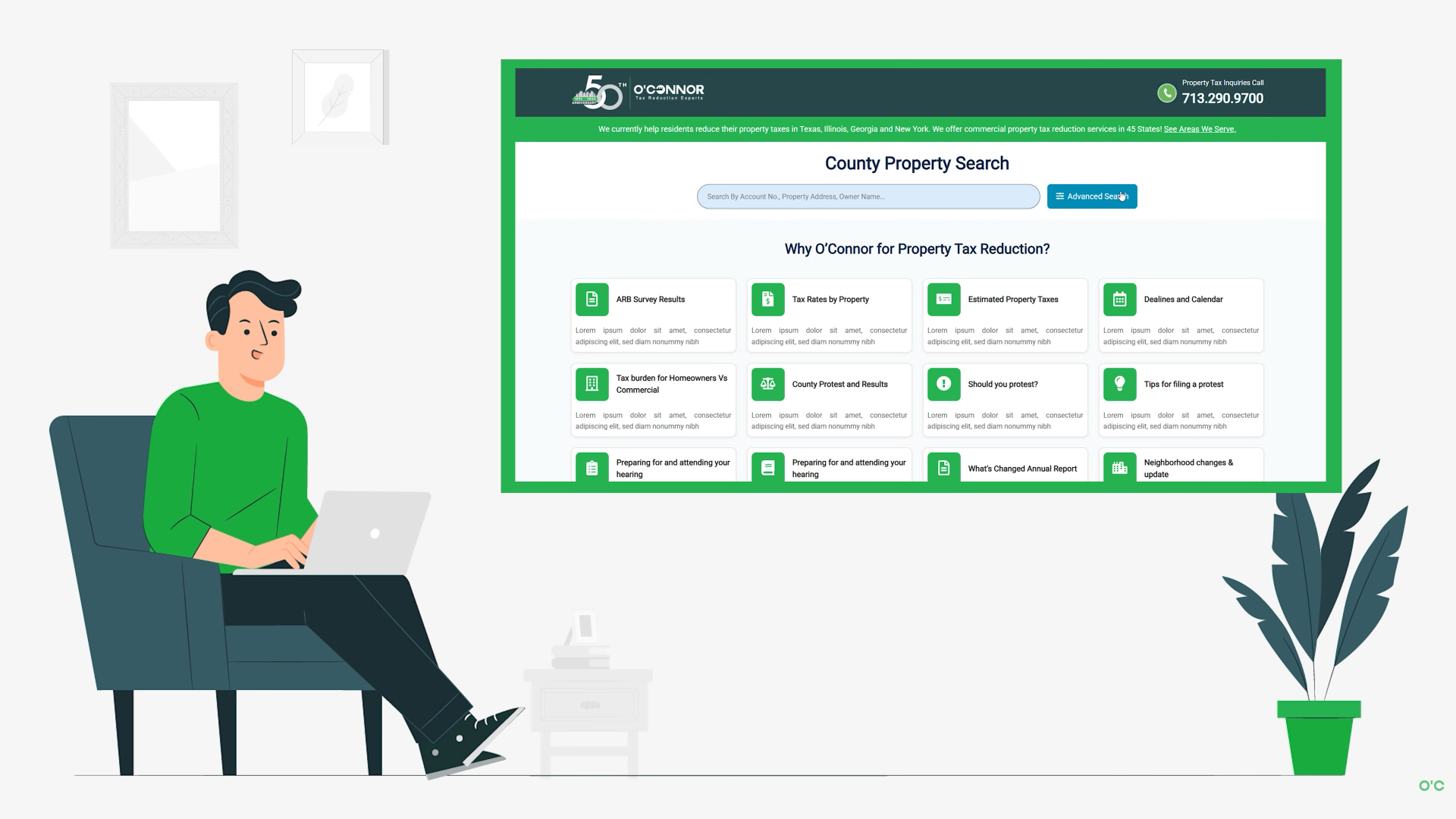
The purpose of this database is to take all of the disparate information across various sites, agencies, and other record sources so that a taxpayer can understand the whole of their valuation, bill, and more. There are many ways to search for a property with this database, including using the owner’s name, address, parcel PIN number, and account number. We at O’Connor assembled this database because we believe that information is the most important thing that a taxpayer can possess, and it should not be hidden behind taxing agencies or appraisal districts.
Search Tarrant County Property Records
Only rivaled by Harris and Dallas, Tarrant County reigns as one of the top counties in all of Texas. The Tarrant Appraisal District (TAD) is responsible for assessing properties across the vast territory, but it does not hold all property records. Instead, records are held by many separate entities, while tax rates are applied by dozens of different taxing bodies, such as MUDs, school districts, and the county itself. To gain an understanding of their home or business, a taxpayer must search many sites and contact multiple agencies to get the full picture. This database brings that all together, acting as a repository for all Tarrant County property records.
A search through Tarrant County property records on this site may include:
- Ownership history
- Ownership history
- Legal descriptions and deed information
- The three types of property value: market, appraised, and taxable
- Assessment history
- Present and potential exemptions
- Valuation history
Terms Used in Property Valuation
Real estate values form the basis for taxation in Texas. While tax rates are applied by various bodies, the value of a property is the number that is multiplied to generate tax bills. This makes the value the most important factor when attempting to understand taxation. In addition, while taxpayers cannot influence tax rates, they can influence the value of their home or business through exemptions or tax appeals.
The worth of a piece of real estate is broken down into three separate values. Market value is the estimated price that a piece of real estate would sell for on the open market. The appraised value is what TAD determines a property is worth within statutes and law. Taxable value is the final number that is multiplied by tax rates to create bills. This value is determined after various exemptions are applied. Understanding these three values helps a taxpayer grasp how their taxes are levied.
Tarrant County Property Tax Details
Tax bills in Tarrant County and Texas are calculated by using the taxable value and various tax rates. Both of these figures change from year to year. The value of a property is influenced by market trends and is created by TAD and other appraisal districts. Tax rates are determined by bodies, such as school districts, MUDs, and even the county itself. Tax rates will change as various agencies set annual funding needs. Since values and rates are both fluid, it is important for a taxpayer to know what both are at any given time, and they should be checked at least once a year.
Official Tarrant County Appraisal Data
Data for TAD includes the basic information on a property, including square footage, improvements, classification, ownership history, and both the history of values and the current valuation for a property. Not only is it important for a taxpayer to know this pedigree information, but it is also vital to ensure that it is correct. Missing exemptions, incorrect square footage, or nonexistent improvements can all cause a huge difference in taxes. This information also allows a taxpayer or realtor to compare the appraisal of properties against others, helping narrow down what a fair value actually is. This is an excellent way to spot an aggressive assessment from TAD.
Comparing Tarrant County Properties to Each Other
When a taxpayer appeals on the incorrect value of a property, one of the first steps in proving this is to compare the appraised value of their property with similar ones in their neighborhood. By Texas law, properties in the same area with the same characteristics should be appraised and taxed the same. This means that finding major discrepancies among properties is a key component of lowering taxable value. Other important traits for comparison are the year built, classification, and improvements, such as garages.
Minding Deadlines in Tarrant County
When it comes to property taxes, appeals, and values in Texas, deadlines are a key aspect to keep in mind. Most deadlines in Texas are strict, meaning there is no option if one is missed. The most important deadlines to keep track of are those for when property taxes are due, the last day to file appeals, and the final date for filing for exemptions. All of these dates are important in controlling the size of taxes and their corresponding bills.
Is a Property Tax Appeal or Protest Needed?
A taxpayer cannot simply ask for a reduction in value or taxes; there needs to be both cause and evidence to file an appeal. Reasons for appeal include errors, such as an incorrect owner being listed, missing exemptions, incorrect measurements or classification, or other basic errors. To appeal on the grounds of inaccurate assessment, the taxpayer must be able to prove that they are being appraised more than similar properties in their neighborhood. Another cause to protest is if an appraisal is well above what a home would sell for on the open market. This is determined by comparing the sales of properties in the area. If any of these problems exist, then an appeal is usually needed.
Common Property Tax Mistakes Tarrant County Taxpayers Should Avoid
Since property taxes are the largest bill that a homeowner and business will face, it is imperative to get taxes right. However, many Texans make simple mistakes that end up costing them in the long run. One that few even know about is failing to keep track of their appraisal notice. This document comes in late March or early April, and contains the changes made by TAD in the previous year. Many taxpayers ignore it in favor of later tax bills. By not recognizing inflated values or errors in the notice, taxpayers miss the right to appeal, losing substantial benefits. Missing deadlines is also a common mistake, one that is hard to rectify in Texas, and even sometimes impossible. Missing the appeal deadline on May 15 and the exemption deadline on April 30 are the two big milestones that haunt taxpayers.
Making Data and Terminology Simple
Important information can be locked behind legal language and complex concepts, interfering in a taxpayer’s right to understand and appeal their taxes. One goal of this database is to make terminology and data simple for the average person to comprehend. Understanding value is key to the process, but the terms can be opaque. Market value is what TAD estimates a home will sell for on the free market, while appraised value is the worth of a home under legal statutes. Taxable value is what a property is worth after exemptions are applied. This is then multiplied by tax rates to calculate the final tax bill. Each tax rate is a percentage created by taxing bodies, which there are dozens of in every county.
Professional Help for Tarrant County Properties
We at O’Connor created this database and others like it to help taxpayers across Texas understand their property taxes. By having all of this information in one place, we hope that Texans can make informed decisions about their real estate and financial health. There can be a lot of data to sort through, so questions are natural. We at O’Connor are here to help our clients and taxpayers through the entire process, whether that means understanding appraisal data or launching an appeal. With over 50 years of experience, we are happy to help Texans in their quest for lower taxes. We not only offer help with tax records and appraisal analysis, but we will also gather evidence and represent our clients in hearings. We offer full-service support for our clients, including a client success team and personalized concierge visits.
Why O’Connor for Property Tax Services?
O’Connor specializes in the review of property tax and appraisal records. We work with publicly available county property valuation and tax records. This includes analysis of assessed values, appraisal records, and tax-related information. Experience across jurisdictions supports consistent interpretation of county property tax systems. Services are provided to support understanding of property tax assessments and records.