Brazoria County Property Search
Brazoria County Property Records
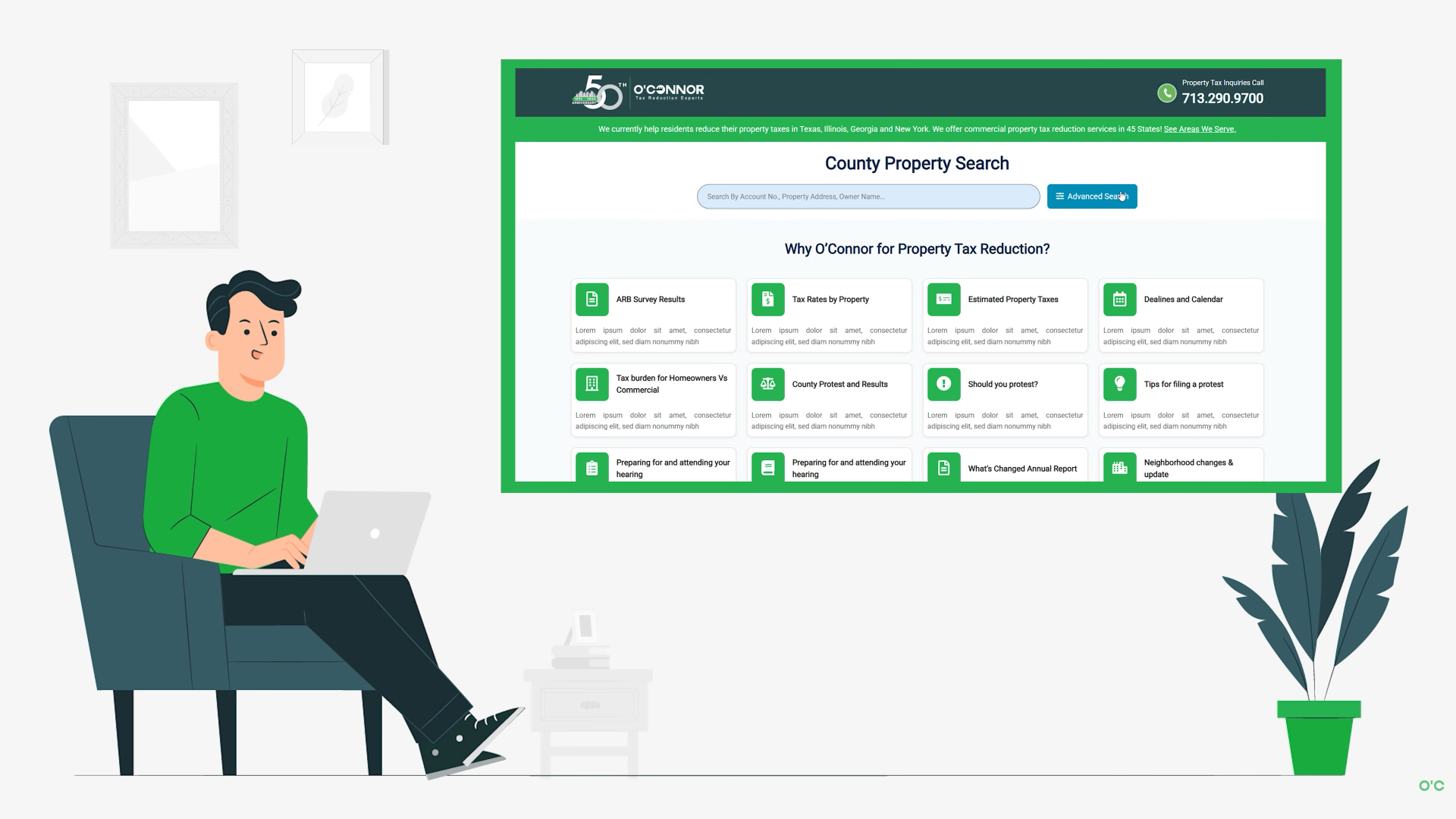
The industrial heart of Texas, Brazoria County, has seen its property values and taxes rise rapidly in the past few years thanks to growing market factors and aggressive valuations from the Brazoria County Appraisal District. With options such as exemptions and property tax appeals, taxpayers can reduce these values to bring relief, but to do so requires extensive knowledge. This database features everything that a taxpayer needs to understand their property, taxes, and its true value is, making it easier to eventually land a reduction.
Brazoria County Property Records
While the Brazoria County Appraisal District does have most of the records, they still lack vital records when it comes to a wider understanding of values and taxes. Many of these are held by organizations such as the tax office, while tax rates come from dozens of taxing bodies. This database captures all of these spread-out facts and condenses them in one place to help taxpayers.
Property records available in this database include:
- Official descriptions and deed records
- Assessment history
- Parcel IDs
- Full ownership history
- Market, appraised, and taxable property values
- Exemptions
- Valuation history
Brazoria County Property Values
There are three property value types that every taxpayer should know. Market value is what the appraisal district believes a home or business would get on the free market. Appraised value takes the market value and restricts it according to caps, laws, and statutes. Taxable value is derived from the appraised value and reduced by exemptions and other adjustments. Taxable value is then multiplied by tax rates to create a final tax bill.
Search Brazoria County Property Tax Details
Tax bills are created when tax rates and values are applied to one another. It is possible for values to be reduced via exemptions or appeals, but tax rates cannot be changed. Tax rates are generated by dozens of taxing bodies, each creating its own rate to meet its annual budget. These bodies include school districts, MUDs, hospital districts, and emergency services.
Official Brazoria County Appraisal Data
Along with the tax offices, taxing bodies, and other government entities, the Brazoria County Appraisal District has key data that all taxpayers need to know. This allows them to understand the true worth of their homes and businesses. Appraisal data includes ownership history, tax rates, values, square footage, classification, and other information that should be verified every year.
Comparing Properties, Appraisals, and Values
One of the most common reasons for a property tax appeal is unequal appraisal. This is when two properties with similar characteristics are appraised differently. This is discovered by comparing appraisal records, which serve as the primary form of evidence. Comparisons can also be used to estimate the value of a home or property, which can be used for either sales or in an appeal challenging overassessment.
Important Property Tax Deadlines
The Texas property tax system is built on deadlines. Many of these are strict, such as those for appeals or exemptions, while others cause a taxpayer to take penalties and interest, like the due date for property taxes. Because these deadlines are strict, missing them means losing the opportunity to use that option for another year. This makes memorizing deadlines important to keep the full arsenal of reduction options open.
When is an Appeal Necessary?
Property tax appeals are vital to managing out-of-control taxes and values. These work by lowering the taxable value, which can lower taxes similar to exemptions. Knowing when to appeal can be difficult, but having all of the facts makes it much easier. Appraisal data should be scoured for mistakes such as an incorrect owner name, missing exemptions, or wrong classification or measurements. Property values should also be examined, as an appeal may be necessary if the values have spiked since the previous year.
Common Mistakes Property Owners Make
Due to high taxes, owning property in Texas always comes at a high financial cost, yet many homeowners and businesses add to it by making mistakes. Missing deadlines is an unforced error that is all too common across Texas, leading to lost rights or penalties and interest.. Many taxpayers do not review their appraisal annually, which allows problems to fester and go unnoticed. Most of these mistakes can be easily corrected with vigilance.
Making Data and Terminology Easier
Important information is often obfuscated behind complex terminology. The goal of this database is to provide information about everything, so that every taxpayer can better understand their real estate, taxes, and values. Many important terms go undefined, which can confuse many taxpayers. This includes things like the definitions of various property values. For instance, the taxable value is computed by taking the appraised value and subtracting exemptions from it. Clear data and terminology level the playing field.
O’Connor Offers Information and Assistance
While this all-encompassing database is a great first step, it is only part of the process when it comes to reducing taxes. Once a taxpayer has all of the information, O’Connor can assist with exemptions and appeals. We can help homeowners file a homestead exemption for free, and there is no upfront cost to appealing with us as well. Every taxpayer who joins gets a client success consultant, who will be their sole point of contact. This gives accountability and reliability that many firms refuse to offer. We can also send out a concierge team member to homes or businesses to help find issues and to give advice on exemptions, deferred maintenance, and more.
Why O’Connor for Property Tax Services?
O’Connor specializes in the review of property tax and appraisal records. We work with publicly available county property valuation and tax records. This includes analysis of assessed values, appraisal records, and tax-related information. Experience across jurisdictions supports consistent interpretation of county property tax systems. Services are provided to support understanding of property tax assessments and records.