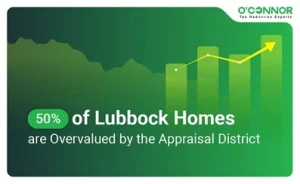
Lubbock County Property Search
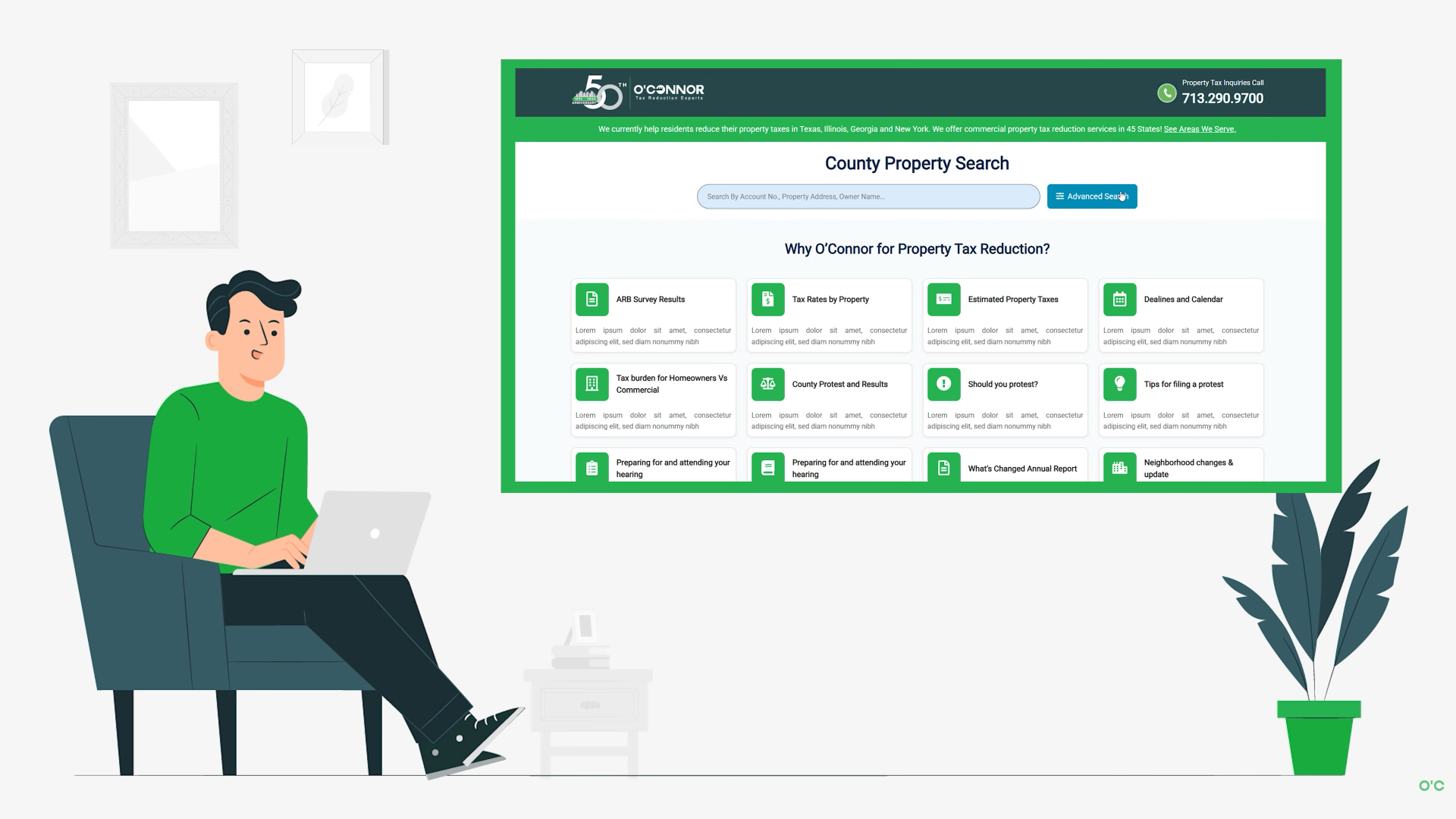
Lubbock County Property Search
Like most of Texas, the property values in Lubbock County have doubled in the past decade. This is due to an increasing population, rising construction costs, and more demand for real estate than ever before. These large increases mean that taxpayers need to stay informed about their property, its values, and even its history. This database was created to give taxpayers a one-stop source for all information, rather than having to search through the internet for records outside the basic information given by the Lubbock Central Appraisal District (LCAD).
Lubbock County Property Records
Many factors affect a property’s value and the resulting taxes. Although the Lubbock Central Appraisal District provides useful records, they are not complete. Information from the tax office and other agencies fills these gaps. This database compiles all relevant details in one place so taxpayers can easily find what they need.
Records include:
- History of ownership
- Parcel PINs
- Legal descriptions and deed records
- Market, appraised, and taxable values
- Assessment history
- Present exemptions
- Valuation history
Lubbock County Property Values
Appraisals and notices of appraised value often have several property values on them, though these are rarely explained. Market value is what a piece of real estate would be worth on the open market on January 1 of the tax year. Appraised value takes the market value and limits it using legal caps and other reductions. Taxable value then takes the appraised value and lowers it with exemptions, which can then be used to create tax bills.
Lubbock County Property Tax Details
Tax rates are one of the most misunderstood aspects of property tax bills. Rather than coming from a central source, they are created by dozens of taxing bodies, which use property taxes to satisfy their annual budgets. These taxing bodies include MUDs, school districts, colleges, emergency services, and flood control.
Official Lubbock County Appraisal Data
Appraisal data has many important functions, including informing taxpayers about issues with their property’s official records. Mistakes in these basic fields can be detrimental to financial health and can lead to higher taxes yearly. These issues include the incorrect owner, missing exemptions, the wrong square footage, more rooms than those that actually exist, and nonexistent improvements. This information also allows homebuyers and realtors to understand how much real estate should be sold for in a given area.
Comparing Real Estate and Appraisals
One of the best ways to understand a piece of real estate is to compare it to its peers. This can be done by using appraisal records to see how they compare with appraisals, exemptions, size, and more. Under the Texas Constitution, every property that shares similar characteristics in the same area must be appraised the same. Errors in this often lead to unequal appraisal, which is one of the primary reasons to launch a property tax protest.
Keeping up with Deadlines
While staying informed about appraisal data is important, so is minding deadlines. Many deadlines in Texas are final, which means a taxpayer loses the ability to use a service for a year if it is missed. In other cases, this simply means paying more in penalties or interest. This makes keeping up with deadlines and other dates key if a taxpayer wishes to maximize their savings.
When to File a Protest or Appeal
Appeals cannot simply be filed because a taxpayer thinks taxes are too high. There must be grounds and evidence for a protest to be successful. The grounds include overassessment, unequal appraisal, and factual errors. Appraisals and notices should be reviewed for errors, which can then be corrected with appeals or corrections of the appraisal roll. Appraisals that are drastically higher than the year before or those that are unequal to neighbors are key indications that an appeal should be explored.
Common Mistakes and Myths
Often, taxpayers cost themselves money by making mistakes or believing myths that have been established around property values and taxes. Missing deadlines is probably the costliest mistake that taxpayers make, but many also fail to review their appraisal or notices. Believing myths like the appraisal district being in charge of tax rates or successful protests lowering the sale value of a home can also lead to errors.
Simplified Terminology
One of the main barriers to taxpayers’ understanding their properties and taxes is that there is simply too much uncertain terminology in the way. Many terms are never explained, making it difficult for people to use the data given to make informed decisions. This database works to make this terminology more accessible, while also concentrating valuable data in one place.
O’Connor Offers Full and Premium Support
Armed with the knowledge gathered by this database, taxpayers should be set to understand their real estate. If they still have questions, need help with exemptions, or want to use a property tax protest, O’Connor is here to help. For over 50 years, O’Connor has been assisting Texans in their journey to lower taxes through cost-effective means, including appeals, exemptions, and cost segregation. Every person who joins O’Connor will get a client success consultant, who will act as the client’s guide, point of contact, and advocate. O’Connor offers a personal touch that national firms cannot match, while offering more resources than local businesses.
Why O’Connor for Property Tax Services?
O’Connor specializes in the review of property tax and appraisal records. We work with publicly available county property valuation and tax records. This includes analysis of assessed values, appraisal records, and tax-related information. Experience across jurisdictions supports consistent interpretation of county property tax systems. Services are provided to support understanding of property tax assessments and records.