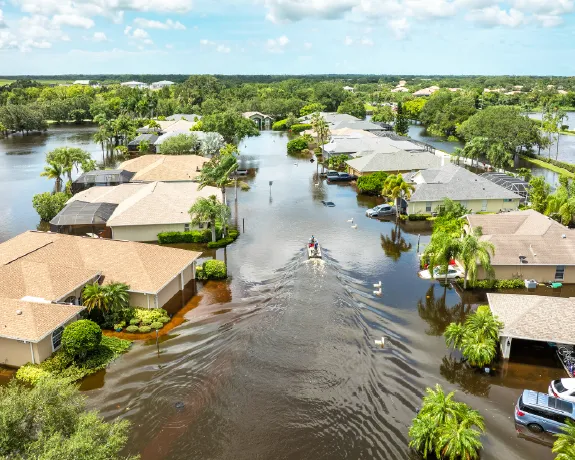
Texas Temporary Disaster Exemption
From flooding and hurricanes to ice storms and wildfires, Texas sees its share of disasters. In an effort to help homeowners and businesses hurt by these acts of nature, Texas utilizes a temporary disaster exemption to provide residents with relief when they need it most. To qualify, a property must be within a declared disaster area. This is announced by the governor, often before a disaster hits, such as hurricanes. The exemption grants a temporary reduction in appraised value based on the damage sustained during the event, which operates on a sliding scale based on the extent of damage sustained by the property.
Start my exemption →| Assessment | Damage Range | Temporary Exemption |
|---|---|---|
| Level 1 | 15-30% | 15% |
| Level 2 | 30-60% | 30% |
| Level 3 | 60-100% | 60% |
| Level 4 | 100% | 100% |
Key aspects of the temporary disaster exemption include
To qualify, a taxpayer must file a 50-312 form with the appraisal district within 102 days of a disaster declaration.
The exemption applies to all forms of property, including residential, commercial, and industrial properties.
Gathering supporting documentation is key. This includes photographs of the damage, repair estimates, and receipts for completed repairs.
Damage can include improvements, such as sheds or garages, not just the primary building itself.
The savings from the disaster exemption can be combined with others, such as the homestead, over-65, and disabled persons exemptions.