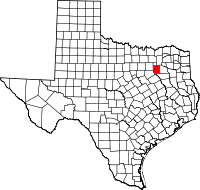


Kaufman Central Appraisal District
Local Appraisal District
More property owners choose O’Connor than any other tax consultant in Texas because:
- O’Connor is focused with helping property owners reduce their taxes hassle free. In 2023, we saved $224 million for homeowners!
- We have established ties with the personnel of the appraisal district so we can identify the necessary steps to reduce your property taxes.
- Connections are important, but having credible evidence is equally so. Evidence, proprietary software, and databases with more than 50 million sales records form the basis of the assessment districts’ process.
- The sales and unequal appraisal data needed to fulfill the standards of the Kaufman CAD and the ARB can be compiled by O’Connor’s skilled and experienced professionals.
Kaufman Central Appraisal District
Local Appraisal District
1 Search for your Property
Start the process to reduce your property taxes by entering your property address below and searching as step
Yes, O’Connor can help you reduce your property taxes
- Yes – there is NEVER a fee unless we reduce your property taxes
- Simple on-line enrollment in just 2 or 3 minutes
- We do all the work and you just share in the savings. We file the protest and attend the hearing. No flat fee; just pay half of first year property tax savings
- Personalized concierge service site visits
- O’Connor saved clients over $213 million in 2025!
2 Claim your property tax discount
Potential Tax Savings For Your Property
May be over-assessed by
8.65% *
Potential Tax Savings
$764 *
Have Additional Properties?
Benefits of O’Connor :
- Simple, online enrollment in just minutes, or call us at 713.290.9700 if you prefer.
- No fees ever unless we reduce your property taxes, not even a nickel. We promise.
- Aggressive property tax consultants with hundreds of years collective experience. We understand the people and process to negotiate lower property taxes for you. Our interests are properly aligned. We never, ever get paid unless you reduce your property taxes.

Benefits of O’Connor :
- Simple, online enrollment in just minutes, or call us at 713.290.9700 if you prefer.
- No fees ever unless we reduce your property taxes, not even a nickel. We promise.
- Aggressive property tax consultants with hundreds of years collective experience. We understand the people and process to negotiate lower property taxes for you. Our interests are properly aligned. We never, ever get paid unless you reduce your property taxes.
Are you sure you want to go back?
Your changes may not be saved.
Kaufman Central Appraisal District’s (CAD) formal and informal 2024 hearing results are displayed below:
- In Kaufman County, the 2024 combined total of informal and formal tax hearings resulted in $1.29 million. Kaufman County property owners protested the taxable value of 19,730 accounts in 2024.
- In Kaufman County, 90% of ARB property tax protests were successful.
- ARB protests in 2024 resulted in $410,000 tax savings for homeowners and $1 million savings for commercial property owners.
- In 2021, the number of parcels protested in Kaufman County was at a low with 17% of owners protesting. However, in 2024, the number of parcels protested increased to 20%.
Save With O’Connor
1,148
Average HCAD Tax Savings

Average Property Tax Savings from Protesting (Informal + Formal)
Residential Property
343
Commercial Property
1,966
Disclaimer: O’Connor is a property tax consultant and is not affiliated with any appraisal district. Data for graphs provided by Texas comptroller.
Single Family Commercial / Other Total
Disclaimer: O’Connor is a property tax consultant and is not affiliated with any appraisal district. Data for graphs provided by Texas comptroller.
2024 County Appraisal District Statistics
Select
Year


-
 County: Kaufman
 -
 Street Address: 3950 S. Houston St. Kaufman, TX 75142-3718
 -
 Mailing Address: 3950 S. Houston St. Kaufman, TX 75142-3718
 -
 Phone: 972-932-6081

Major Cities:
Crandall, Forney, Kaufman, Kemp, Mabank, Scurry, Talty, Terrell
Hood County Texas totals 437 square miles, with a 2020 population of about 61,598. Adjacent counties include Parker, Johnson, Somervell, Erath, Palo Pinto. The total market value of real property and personal property in Hood County in 2020 was $10,000,000,000. Hood County 2020 property taxes are estimated to total $113,100,000 million based on an effective tax rate of 2.4% including homestead exemptions. Hood County property owners protested the noticed value for 1,580 houses and 2,800 commercial and BPP properties. Hood County Appraisal Review Board appeals were successful for 41% of the owners. Property owner property tax protests in Hood County results in savings of $19,000 in 2020, or $4 per account protested. The 2020 budget for the Hood was $2,790,000 including 18 employees.
Kaufman Property Tax Values